
Florida's Early Childhood Courts
Transforming the Lives of Infants and Families Through Trauma-Informed Justice
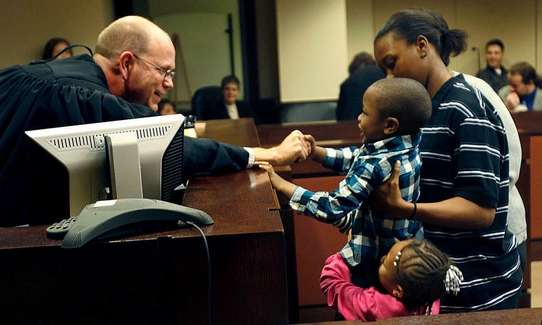
A science-based problem-solving court model that brings together judges, clinicians, child welfare professionals, and families to address trauma, strengthen relationships, and help infants and toddlers achieve safety, permanency, and healthy development during the most critical years of life.
Explore Florida’s Early Childhood Courts
Access Trauma and Resilience Training for the Judiciary

Why It Matters
Early Childhood Courts help infants, toddlers, and families achieve better outcomes while reducing long-term costs to the child welfare system.
Children in Early Childhood Court reached permanency an average of 143 days sooner than children in traditional court.
Only 6% of children in Early Childhood Court reentered the system compared to 10% in traditional dependency court.
Statewide implementation could generate an estimated $113.6 million in annual taxpayer savings.
What is Early Childhood Court?
Early Childhood Court (ECC) is a trauma-informed problem-solving court model that supports infants, toddlers, and families involved in the child welfare system during the most critical years of development.
Brain Development
Supports children during the most critical years of growth, learning, and brain development.
Strong Attachments
Strengthens caregiver-child relationships that promote healthy social and emotional development.
Trauma-Informed Care
Addresses underlying trauma, adversity, and barriers to healing for children and families.
Team-Based Approach
Judges, providers, attorneys, caseworkers, and families work together to improve outcomes.
Changing Lives Across Florida
Behind every case is a child, a family, and a community working toward healing, stability, and a brighter future.
"We now have our son home permanently and even when he wakes up at 6am because he's ready for breakfast, I can't wait to walk over to the crib. As soon as he sees mommy and daddy, that cute face of his lights up! This program does need to keep going. Each and every person involved was necessary because they all had a role in helping us complete our tasks."
"The three things that are exceptional about baby court are that we provide Child-Parent Psychotherapy, which heals families like no services we've offered before. The team approach provides the support families and children need, and we've lowered recidivism by connecting families with the services necessary to make them whole."
Explore Early Childhood Court
Everything you need to know about Florida's Early Childhood Courts in one place. Learn about the model, explore outcomes, access training and resources, and find materials designed for court team members.
 Judicial Leadership
 Trauma-Informed Practice
 Child-Parent Psychotherapy
 Behavioral Health Services
 Developmental Screening
 Parent Education
 Family Team Meetings
 Permanency Planning